Johannesburg, South Africa
sachin mohan
Part researcher, part builder, mostly impatient.
21. I started with a soldering iron and a box of my dad's electronic kits, and I never really stopped. Since then: a CNN that diagnoses respiratory disease from sound, an AI product with paying enterprise customers, and now robot foundation models.
21, and mostly just building things.
what i'm working on
Evolutionary Multi-Objective Planning in JEPA
Can safe behaviour emerge from selection pressure instead of hand-tuned penalties?
Honours research, supervised by Geraud Nangue Tasse (IBM Fellow), in Prof. Benjamin Rosman's group at Wits
Safe reinforcement learning currently runs on hand-tuned penalties. Set them too weak and the agent does unsafe things; set them too strong and you get a policy so conservative it's useless. Constraint-based methods swap the penalty for a cost function, but a cost function is just as hard to specify. You've moved the hand-tuning, not removed it.
So the question is whether black-box optimisation (genetic algorithms, evolution strategies, neuroevolution) can balance reward against the probability of a safety violation directly, and let safe behaviour emerge from selection pressure rather than from manual engineering. If it works, it matters everywhere an agent acts in a human environment: robot navigation, and eventually the same question for language models.
The through-line with everything else here: as agents take more real actions on our behalf, the question of which actions are safe to take autonomously stops being academic.
Alex
A multi-agent AI executive assistant. Built it as CTO. Real customers, real money.
I sat in 50–60 calls with mid-market South African companies and noticed the same hole every time: half a C-suite. No COO, no CMO, nobody owning reporting. So we built the agents that fill those seats. I took it from idea to paying customers, and hired and led the four engineers who built it with me.
- →$24K ARR in subscriptions, $100K+ contracted alongside
- →$57K contract with Juta Law, South Africa's 150-year-old legal publisher
- →700,000 historical court documents processed
- →Hired, onboarded and led a team of 4 engineers
Independence Is All You Need
Constraint-based causal discovery recovers SAE feature-circuit structure that attribution patching cannot represent.
University of the Witwatersrand
Sparse autoencoders decompose a model's residual stream into interpretable features. Recovering the *circuits* those features form is still open, and the state of the art scores them with attribution patching, a marginal estimator.
That's a structural blind spot. A chain A → C → B and a collider A → C ← B are indistinguishable to any marginal method, because the difference lives entirely in conditional dependencies. So I brought in the tool built for exactly that: the PC algorithm, which recovers structure through systematic conditional independence tests.
- Model
- Gemma-2-2B
- Task
- Indirect Object Identification, N = 5,000
- Features
- Gemma Scope SAEs, 16k width, layers 18/22/25
- Method
- PC with χ² CI tests, α = 0.01
- Validation
- direct do(·) ablation in feature space
366
edges recovered, 65% cross-layer
599
v-structures found
100%
interventional pass rate (50 edges)
0.000
what AP reads at layers 18 & 22
The structure PC finds sits precisely where attribution patching reads zero. PC doesn't replace AP. AP tells you which features matter; PC tells you how they connect.
before that
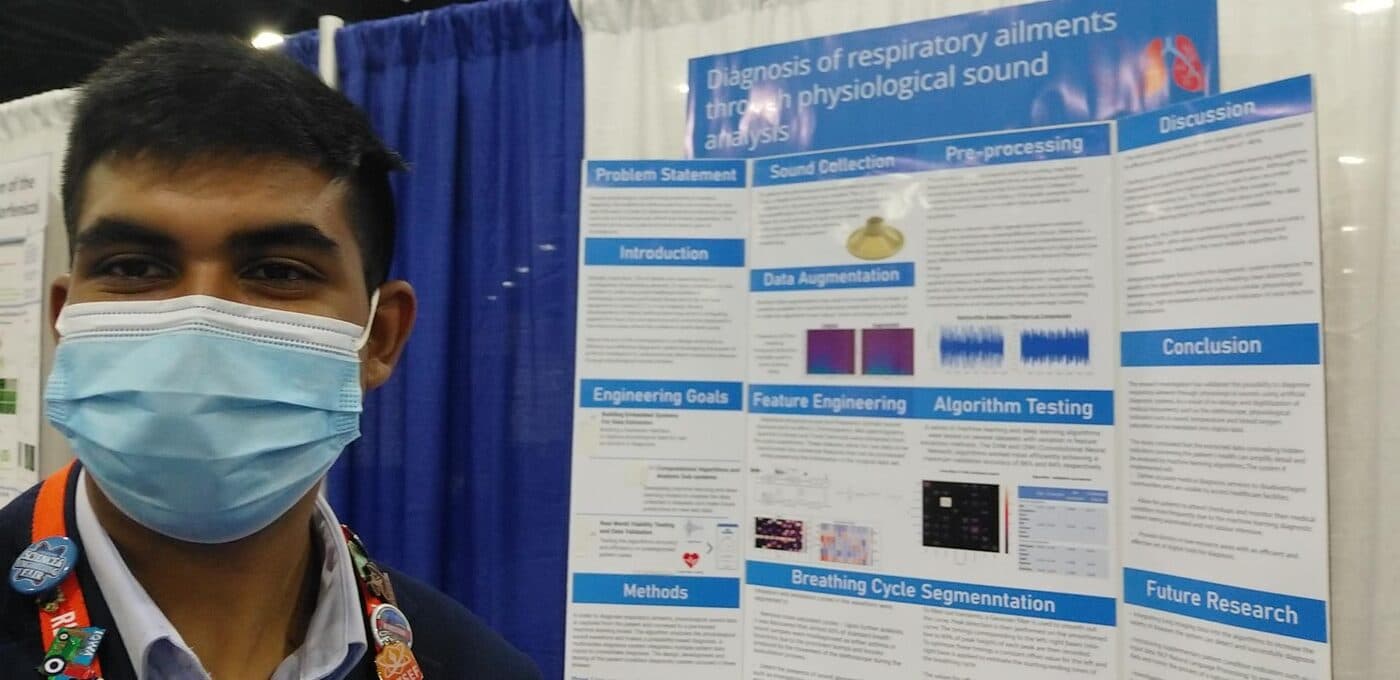
Diagnosing Lung Disease by Sound
A CNN that classifies respiratory disease from a recording. Built at 17, before ChatGPT existed.
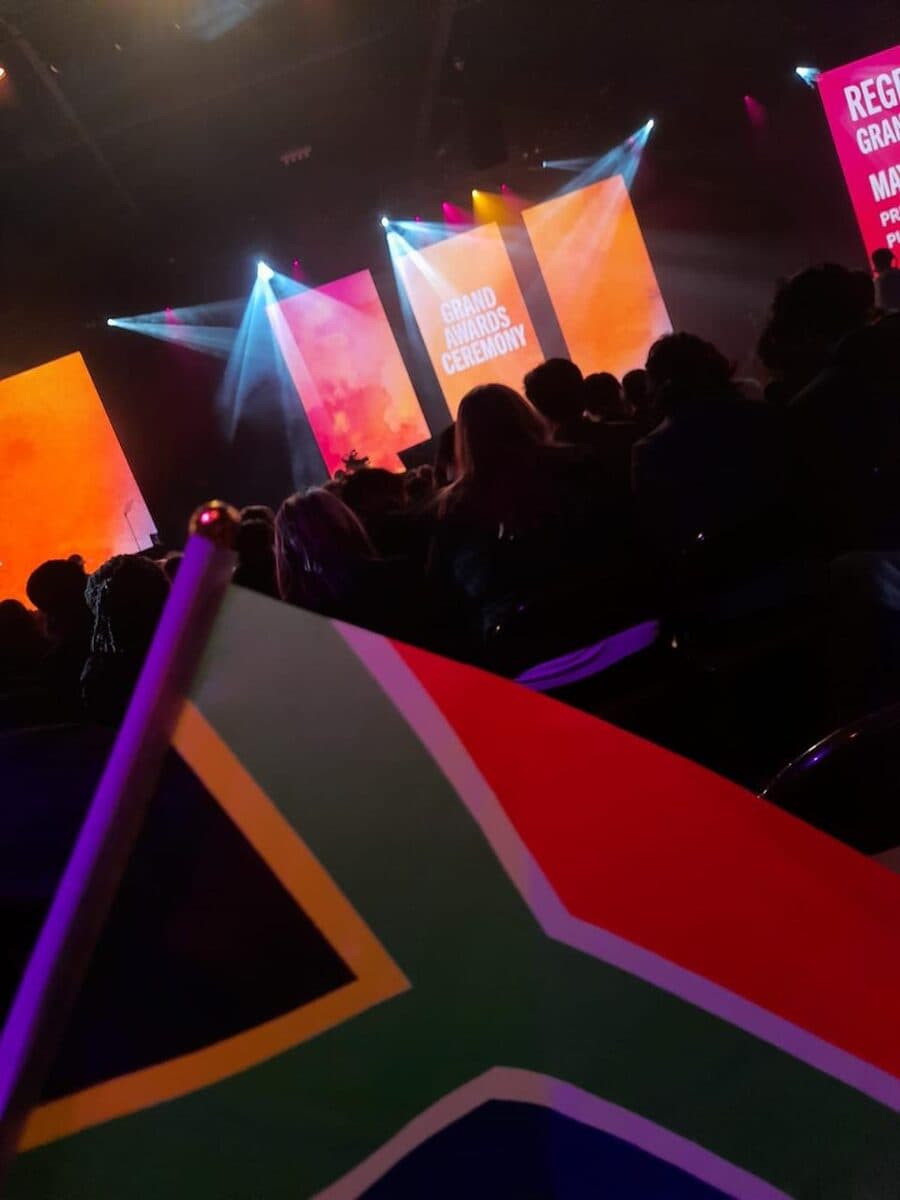
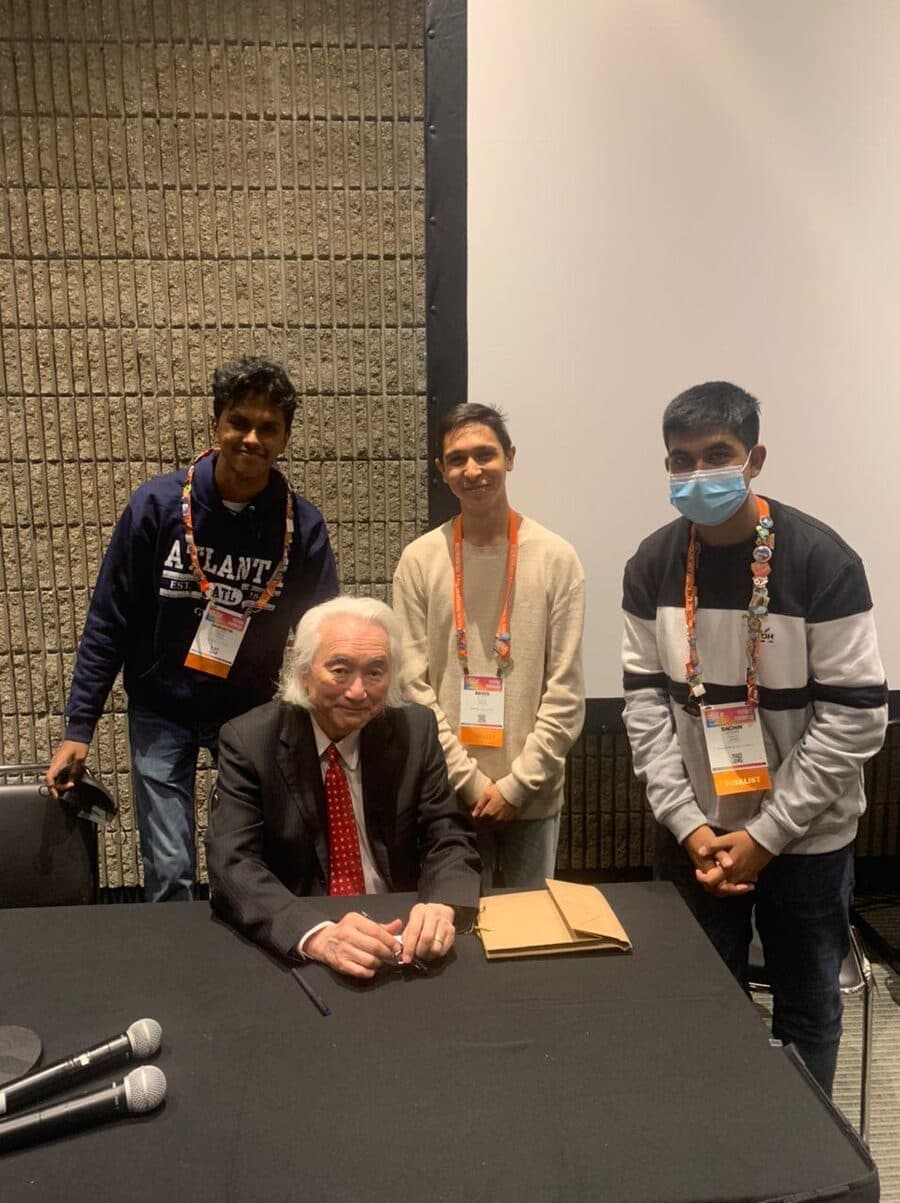
Won national gold and the grand prize at the South African science fair, then represented the country at Regeneron ISEF in Atlanta, one of seven South Africans there. First time I found out what it feels like to be measured against the best in the world instead of the best in the room.
- →National gold + grand prize (~$5K)
- →1 of 7 South Africans at Regeneron ISEF, Atlanta
- →Built at 17, pre-LLM era
 training partner
Running a national weather model
HPE EMEA Labs training: deploying ICON, Germany's operational weather model, on a supercomputer.
ICON is the icosahedral non-hydrostatic model that DWD and MPI-M run for German national forecasting. It's a serious piece of scientific software with a build that fights you. Through online training with HPE's EMEA Labs in Grenoble I got it compiled, configured and running on a cluster at the Pittsburgh Supercomputing Center. Different discipline from the cluster competition: there the hardware was the problem, here it's the software stack.
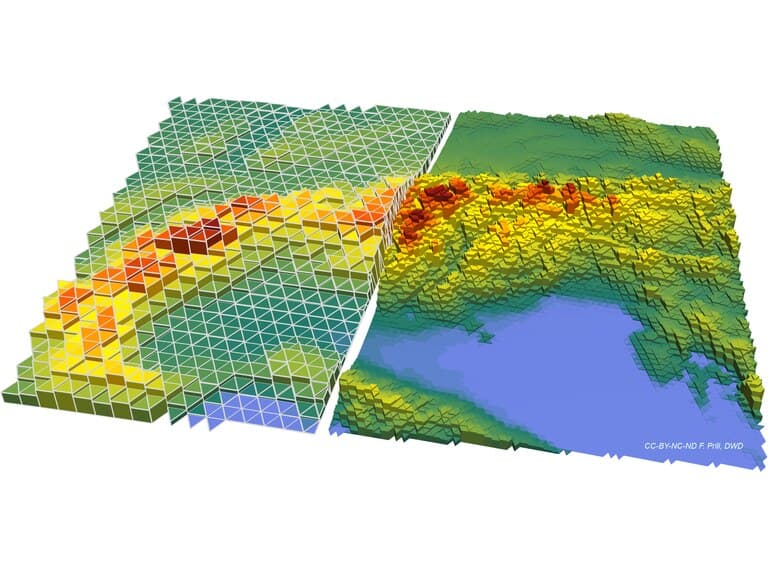
- →Online training with HPE EMEA Labs, Grenoble
- →Deployed and ran ICON on a cluster at the Pittsburgh Supercomputing Center
- →Toolchain, MPI configuration and domain setup for a real forecasting model
Second out of 14K
The Allan Gray Entrepreneurship Challenge: a five-week national competition for South African high schoolers. 14,000 entered. I came 2nd.
The Allan Gray Orbis Foundation runs it to get high schoolers thinking like founders: five weeks, delivered as a game, built around the five habits of thought their research pins an entrepreneurial mindset on. 14,000 learners from 621 schools took part. I finished 2nd nationally.
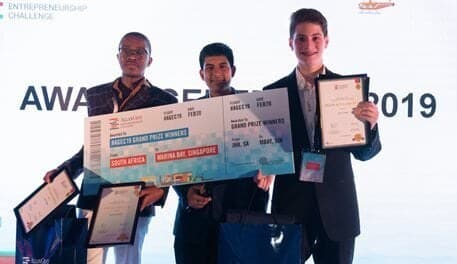
- →2nd nationally, from 14,000 learners across 621 schools
- →Won a fully paid trip to Singapore for the Emerging Technologies Asia Conference
- →Placed twice, in two separate years of the challenge
Building a supercomputer that was broken
CHPC Student Cluster Competition: 4th nationally, on hardware that kept failing.
Teams get identical hardware, a power budget, and a set of HPC benchmarks to tune. Ours shipped with faulty RAM. We spent the competition diagnosing and working around memory that would fail mid-run, on top of the actual job of building and tuning the cluster. We came 4th in the country anyway, and I was selected individually for the ISC reserve team in Germany.
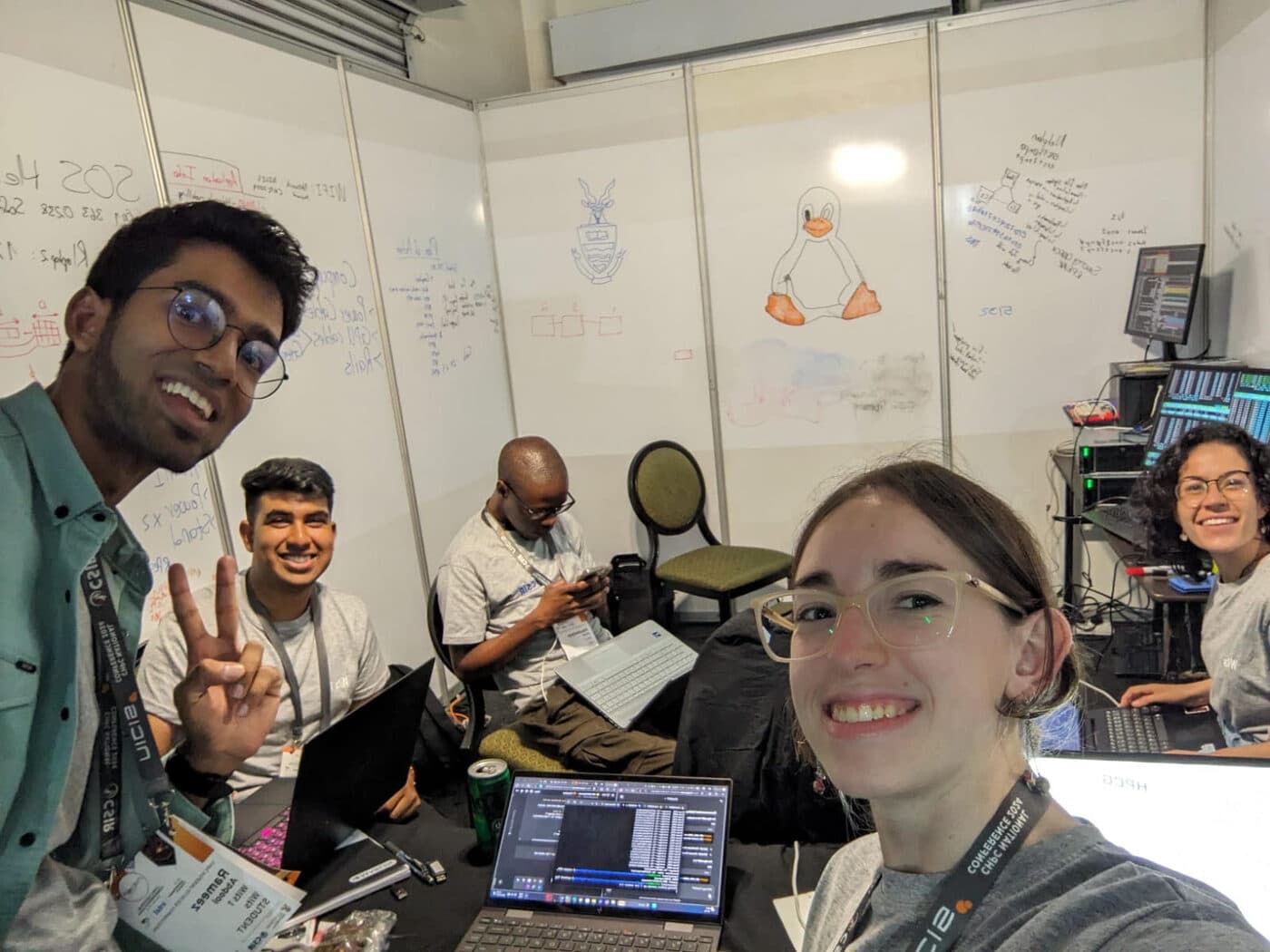
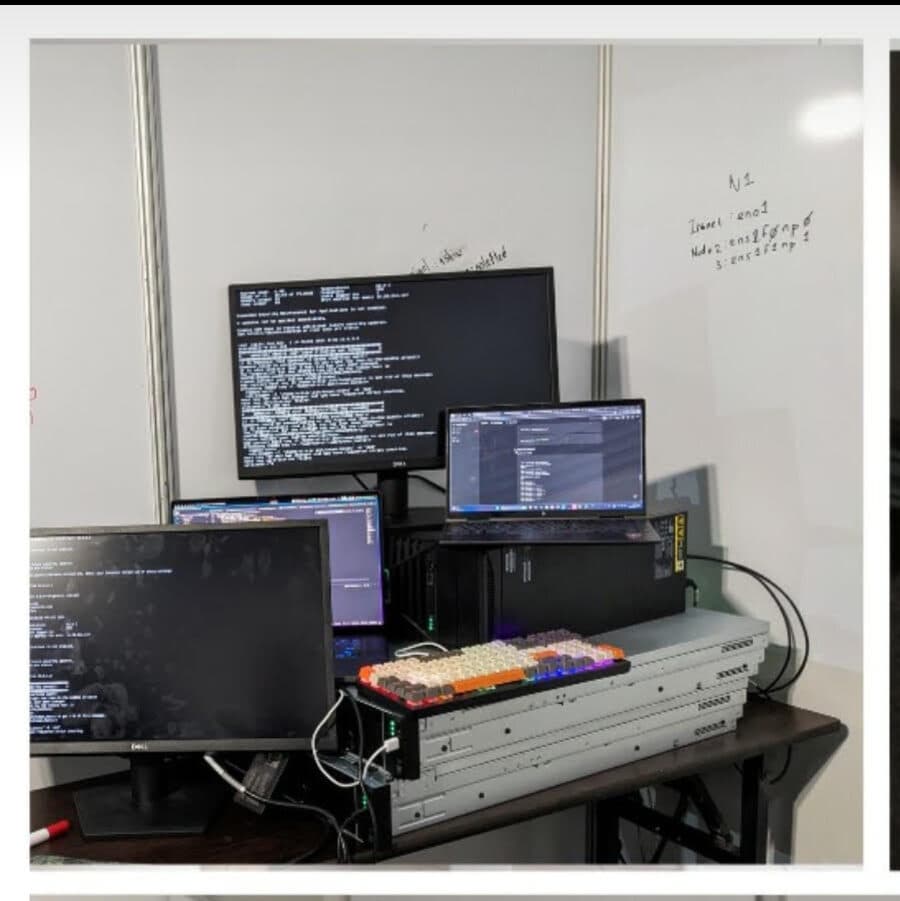
- →4th nationally, competing on a cluster with failing memory
- →Individually selected for the ISC reserve team, Germany
- →Cluster build, benchmark tuning, and a hard power ceiling
Accepted into Europe's biggest VC
Entrepreneurs First, London. Four interview rounds, two days in a room in Shoreditch, an offer to join the FALL26 cohort.
EF invests in individuals before there's a company. No idea required, no co-founder: you find both on the programme. Getting in took four interview rounds and then Selection Days, which is less an interview than a two-day working simulation of the programme itself: 39 of us in a room in Shoreditch, finding problems worth attacking and finding the people you'd want to attack them with. I got the offer for the FALL26 London cohort. I took it, and deferred my place to a later one.
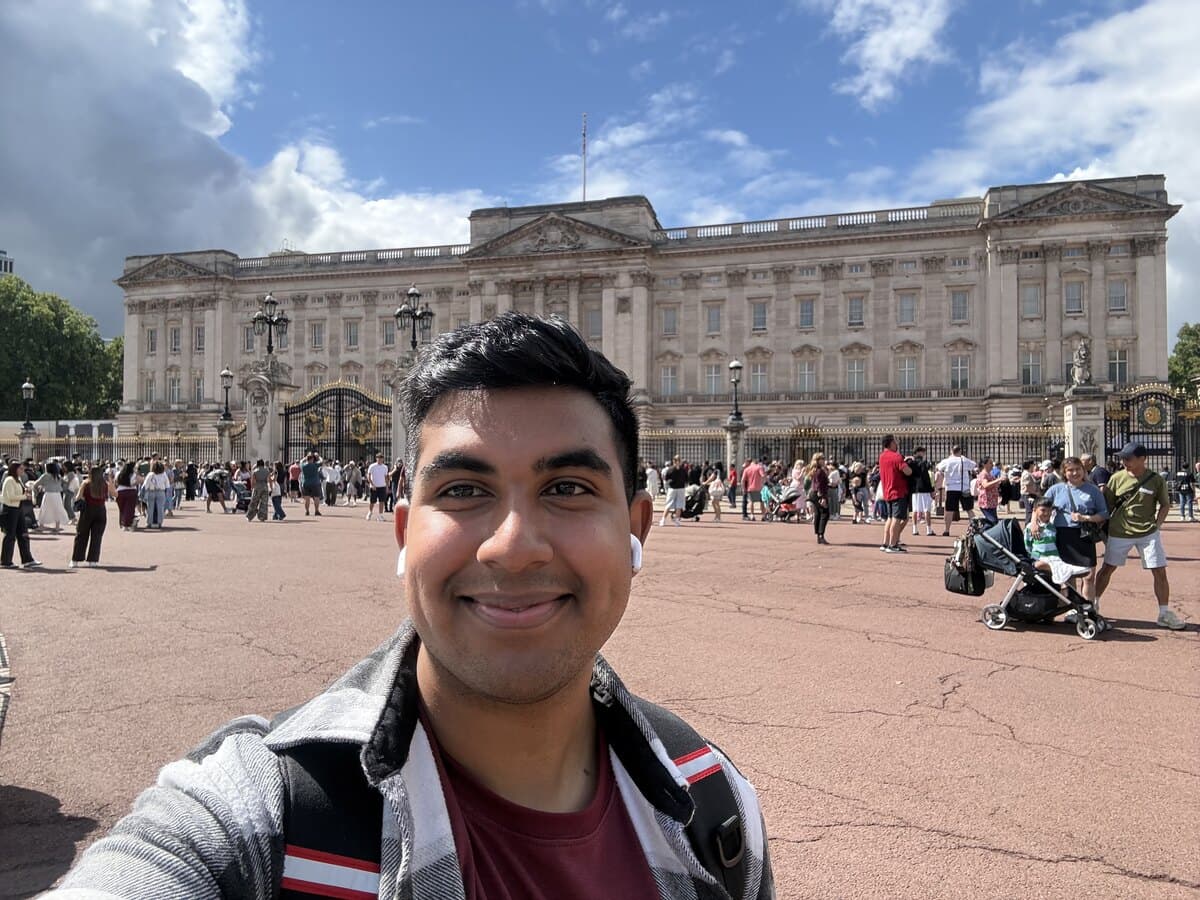
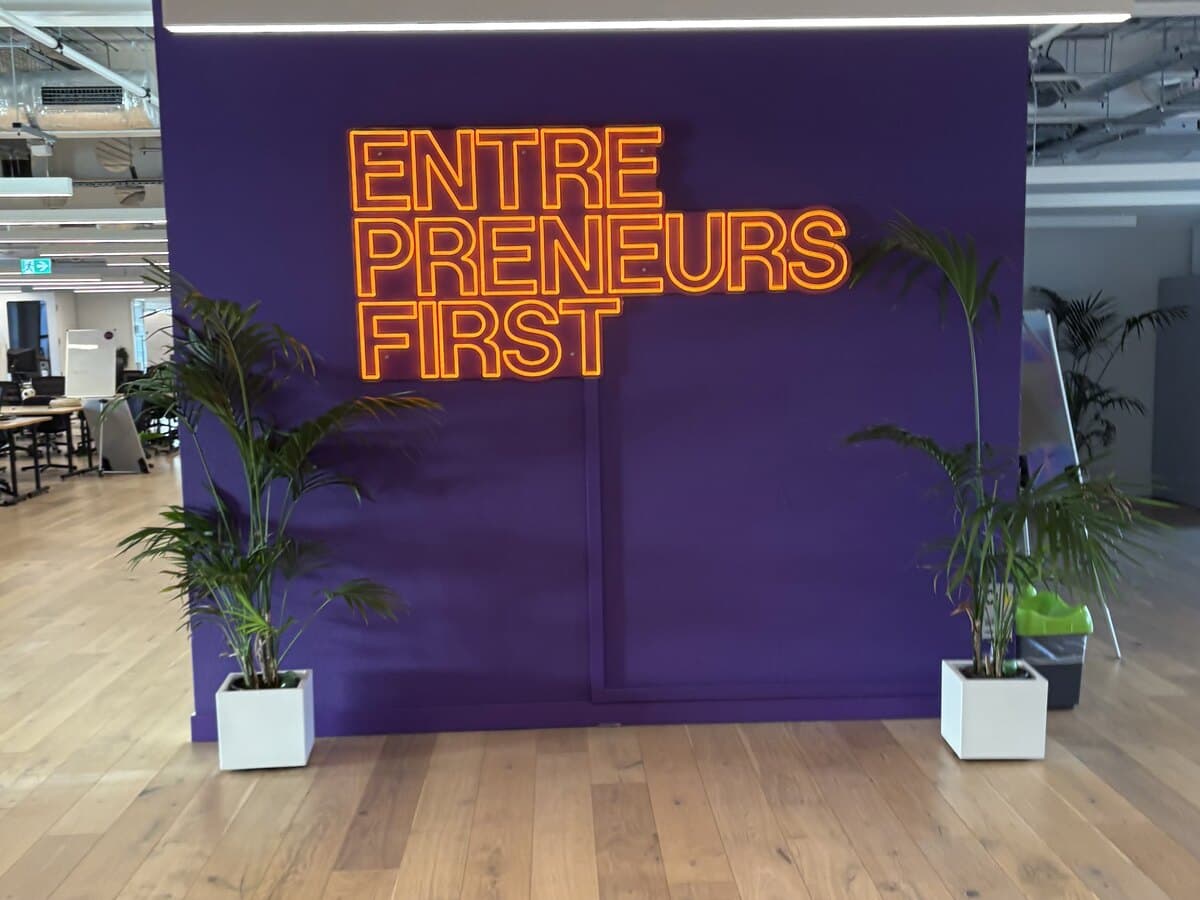
- →Four interview rounds, then two days of Selection Days in Shoreditch
- →Offered a place in the FALL26 London cohort, starting 21 September 2026
- →Deferred to a later cohort